




A car accident can happen in an instant, but the decisions you make in the days that follow can impact your recovery, your finances, and your legal rights for years to come.
That’s why you need a clear plan in place. Here are ten essential steps you should take after a car accident in Cincinnati, helping position yourself for the best possible outcome.
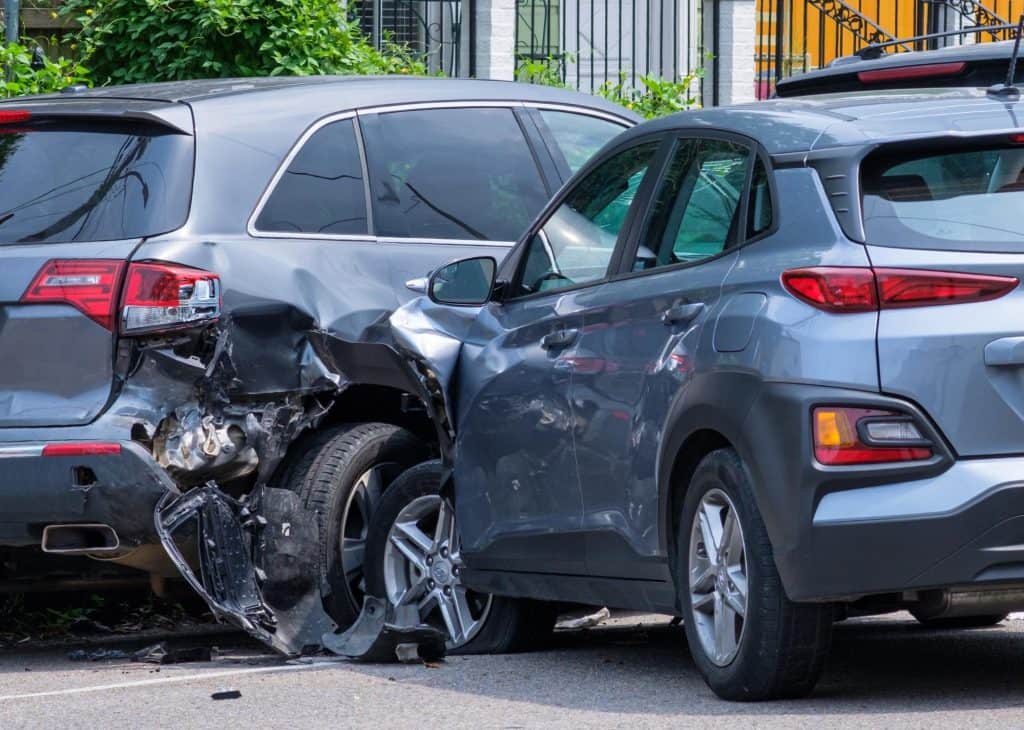
Step 1 – Check for Injuries and Call 911
Before you do anything else, take a moment to assess yourself and your passengers for injuries. If anyone is injured or if you are unsure call 911 immediately.
Emergency responders can provide critical medical care on the scene and transport anyone who needs it to the hospital.
Step 2 – Move to Safety and Turn on Hazard Lights
If your vehicle is drivable, move it out of traffic to prevent additional collisions.
Pull over to the shoulder or any safe location away from moving vehicles. If your car is not drivable or if moving it would cause further injury, stay inside with your seatbelt fastened until help arrives, but only if it is safe to do so.
Turn on your hazard lights to alert other drivers that there is an accident ahead.
If you have road flares or warning triangles, set them up behind your vehicle to increase visibility.
These simple actions can prevent secondary accidents and keep everyone safer while you wait for police and emergency services to arrive.
Step 3 – Contact Law Enforcement
In Ohio, you are required to report any accident that results in injury, death, or more than $100 in property damage.
Even if the crash seems minor, calling the police is a smart move.
A police report provides an official, neutral account of what happened, which can serve as a key piece of evidence in a future legal claim.
When officers arrive, cooperate fully and provide accurate information about what you saw and experienced.
Stick to the facts and avoid speculating about who was at fault or making statements that could be interpreted as admitting liability.
Once the report is filed, ask how you can obtain a copy—you will need it later.
Step 4 – Exchange Information with the Other Driver
Next, exchange information with the other driver involved in the accident.
Collect their full name, phone number, address, driver’s license number, license plate number, insurance company name, and policy number.
If there are multiple vehicles involved, gather this information from each driver.
Be polite but keep the conversation brief. Avoid discussing fault, making accusations, or providing detailed explanations of what happened.
Step 5 – Document the Scene Thoroughly
The more you can document at the scene, the stronger your position will be later.
Use your smartphone to take photos and videos of the accident scene from multiple angles.
Capture damage to all vehicles involved, skid marks, debris, traffic signs, road conditions, and any visible injuries.
If there are witnesses, ask for their names and contact information. Witness statements can provide critical third-party perspectives that support your version of events.
Step 6 – Seek Medical Attention (Even if You Feel Fine)
Even if you feel fine after an accident, you should still see a doctor as soon as possible.
Many serious injuries—including concussions, internal bleeding, and whiplash—do not show immediate symptoms but can cause problems down the road.
Delaying medical treatment can not only jeopardize your health but also weaken your injury claim.
Insurance companies often argue that delayed medical treatment means injuries weren’t serious or weren’t caused by the accident.
By seeking medical attention, you create a clear medical record linking your injuries to the crash.
Step 7 – Notify Your Insurance Company
Contact your insurance company to report the accident as soon as possible.
Most policies require prompt notification, and failing to report a crash could jeopardize your coverage.
When speaking with your insurer, provide basic facts about the accident, but avoid giving a detailed recorded statement or admitting fault until you have consulted with an attorney.
Step 8 – Contact a Cincinnati Car Accident Lawyer
After a car accident, navigating the legal and insurance processes can be overwhelming.
That’s where an experienced Cincinnati car accident lawyer can help. An attorney can investigate your accident, gather evidence, negotiate with insurance companies, and fight for the full compensation you deserve.
Monge & Associates has extensive experience handling car accident cases in Cincinnati and throughout Ohio.
We can help you understand your rights, avoid common pitfalls, and build a strong case for maximum recovery.
The sooner you have an advocate on your side, the better protected you’ll be. You can schedule a free consultation with our firm at (513) 224-5591.
Step 9 – Keep All Documentation Organized
After a car accident, paperwork can pile up quickly. Save copies of every document related to your accident and injuries.
Create a dedicated file, physical or digital, to keep everything organized and easily accessible.
Step 10 – Understand the Ohio Timeline for Car Accident Claims
In Ohio, you have two years from the date of the accident to file a lawsuit.
If you do not file your lawsuit within this timeframe, you will likely lose your right to seek compensation through the courts forever.
That’s why it’s important to consult with an attorney as soon as possible after your accident, even if you’re not sure whether you’ll need to file a lawsuit.
Cincinnati Car Accident FAQs
What if the other driver doesn’t have insurance?
If you are hit by an uninsured driver in Cincinnati, you may still have options for recovery. You can file a claim through your own uninsured motorist coverage if you carry it, or you may be able to pursue a lawsuit directly against the at-fault driver.
What if I was partially responsible for the accident?
Ohio follows a modified comparative negligence rule, which means you can still recover damages even if you were partially at fault—as long as you are not more than 50% responsible. However, your compensation will be reduced by your percentage of fault. For example, if you’re found 20% at fault, your recovery would be reduced by 20%.
How much is my car accident case worth?
The value of your case depends on many factors, including the severity of your injuries, the extent of property damage, your medical expenses, lost income, and the impact on your quality of life. An attorney can evaluate your circumstances and provide a realistic assessment of what your case might be worth.